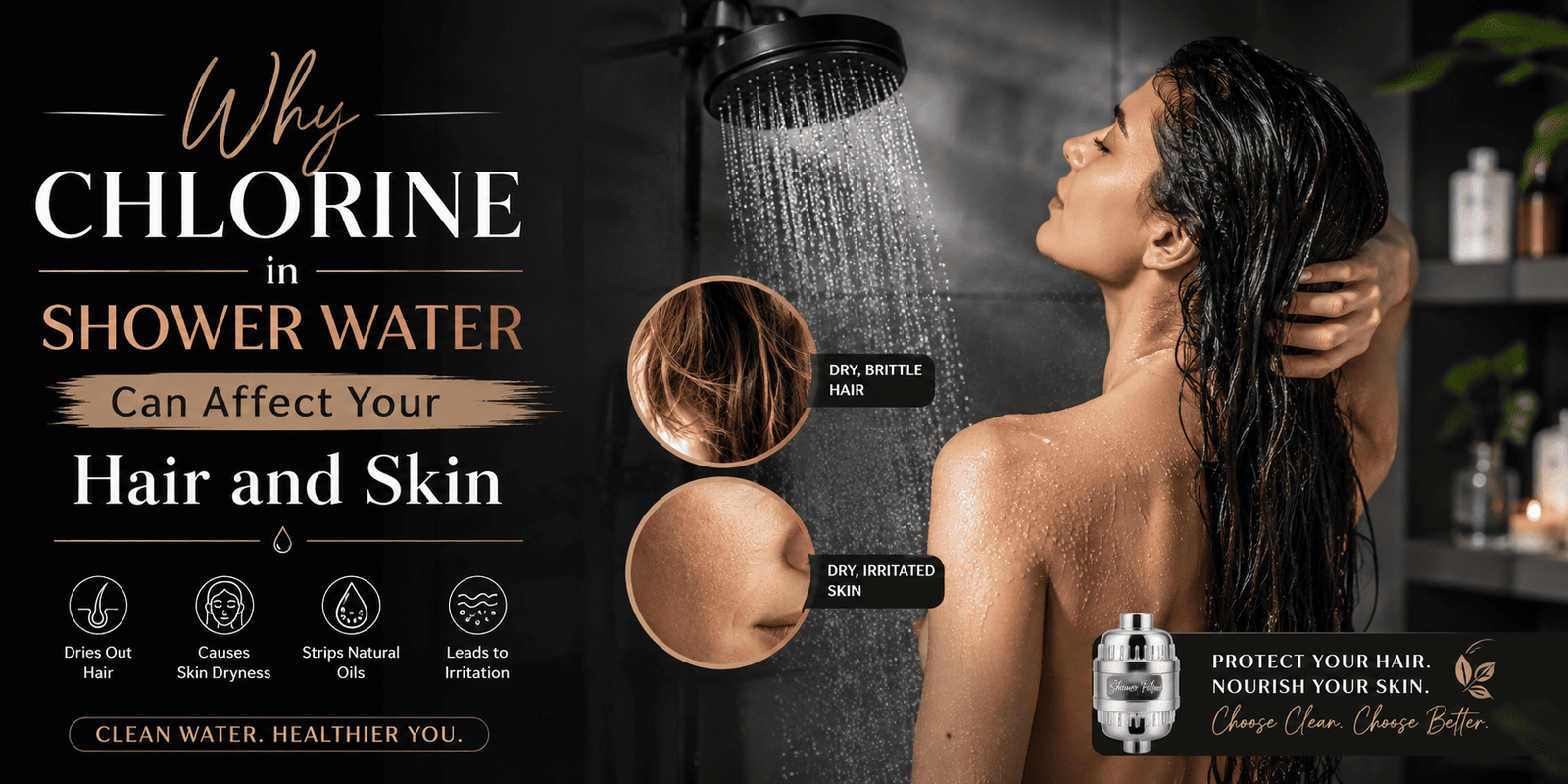
If you’ve ever stepped out of the shower with skin that feels tight and itchy, or hair that looks dull no matter how much conditioner you use, the water itself might be part of the problem. Most municipal water systems use chlorine to kill bacteria and keep tap water safe to drink. That’s a good thing for public health, but the same chemical that disinfects your water supply can be tough on your hair and skin when you shower in it every day. In this post, we’ll break down what chlorine actually does to your body, why it’s more noticeable for some people than others, and how a simple shower filter can make a real difference. What Chlorine Does to Your Water Chlorine is added to tap water because it’s an effective, low-cost way to neutralize harmful microorganisms before water reaches your home. It’s a standard part of water treatment in most cities, and in the amounts used, it’s considered safe to drink. The issue isn’t chlorine in a glass of water — it’s chlorine in hot shower water, where heat and steam change how your body interacts with it. Hot water opens your pores and hair cuticles, which means more chlorine can come into contact with your skin and scalp. Steam also allows you to inhale trace amounts of chlorine gas released from the water. None of this is usually dangerous, but for many people it adds up to noticeable everyday irritation. How Chlorine Affects Your Hair Hair is mostly made of a protein called keratin, held together by natural oils that keep each strand smooth and flexible. Chlorine is a strong oxidizer, meaning it breaks down organic material — including those natural oils. Here’s what that can look like in practice: This is where a shower filter for hair becomes worth considering. By reducing the amount of chlorine that reaches your scalp and strands in the first place, you give your hair’s natural oils a better chance to stay intact between washes. How Chlorine Affects Your Skin Skin faces a similar problem. Your skin has a thin, protective barrier of natural oils and lipids that keeps moisture in and irritants out. Chlorine can disrupt that barrier, especially with daily hot showers. Common effects include: If you’ve tried switching soaps or adding more moisturizer without much improvement, the water itself may be the missing piece. A shower filter for skin works by addressing the irritant at the source, rather than just treating the dryness after it happens. Why Some People Notice It More Than Others Not everyone reacts to chlorinated water the same way. A few factors make a noticeable difference: If you fall into one or more of these categories, you may be more likely to benefit from filtering your shower water. What a Shower Filter Actually Does A shower filter attaches between your shower arm and showerhead (or is built into certain showerhead designs) and works to reduce chlorine and other contaminants before the water reaches your body. Most use one or a combination of the following: The goal of any shower water filter is the same: reduce the amount of chlorine (and sometimes other minerals or particulates) that touches your hair and skin, without significantly affecting water pressure or flow. Signs You Might Benefit From a Shower Filter You don’t need a water quality report to know something might be off. Consider a shower filter if you notice: If several of these sound familiar, filtering your water is a low-effort change that’s worth testing. Getting the Most Out of a Shower Filter Installing a filter is a good first step, but a few habits help you get more benefit from it: Final Thoughts Chlorine plays an important role in keeping tap water safe, but that doesn’t mean it’s doing your hair and skin any favors in the shower. If you’ve been dealing with unexplained dryness, dullness, or irritation, it may not be your products — it could be your water. A shower filter is a simple, low-maintenance way to reduce chlorine exposure at the source, and for many people, it’s the missing step in an otherwise solid hair and skincare routine
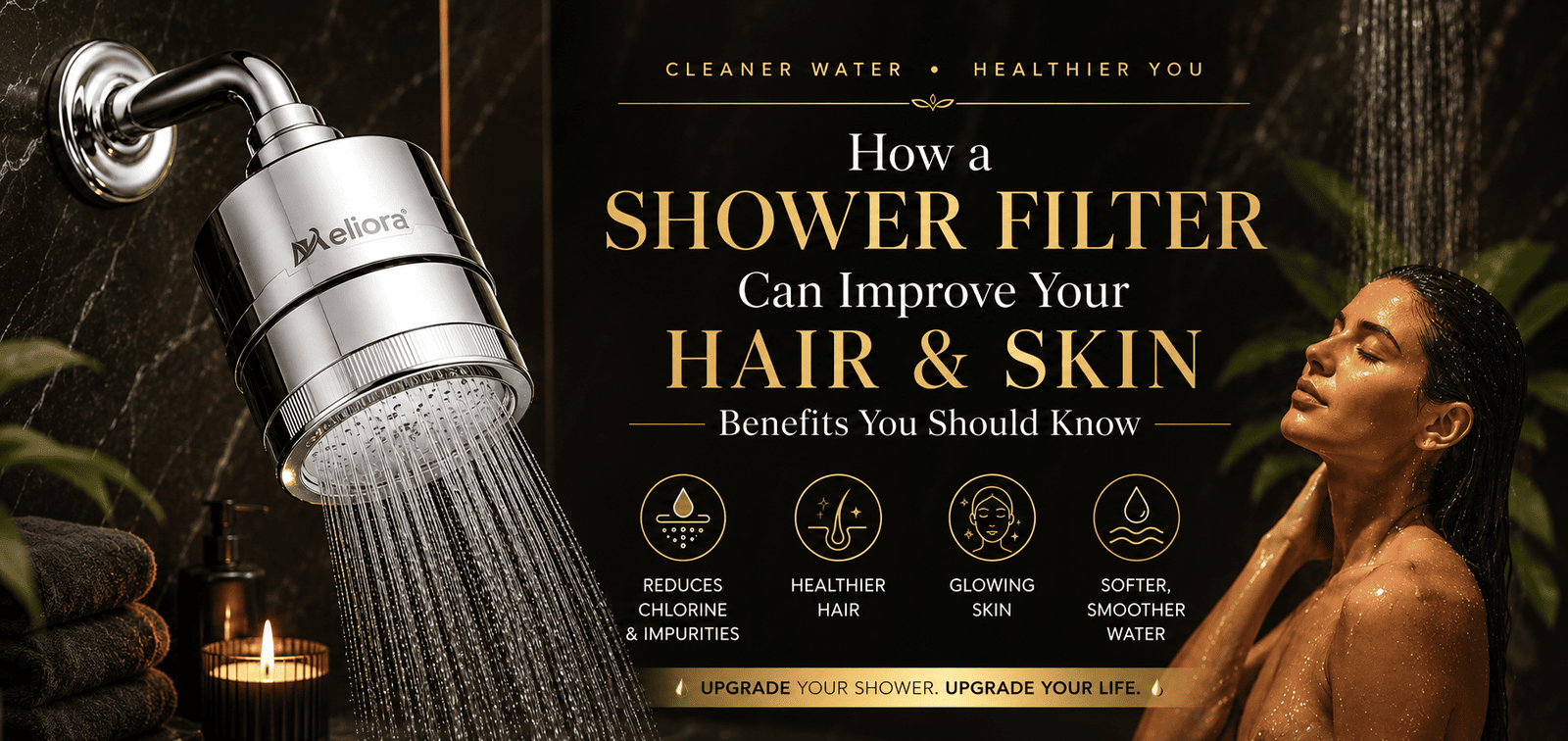
How a Shower Filter Can Improve Your Hair and Skin: Benefits You Should Know
If you’ve ever stepped out of the shower with dry, itchy skin or dull, frizzy hair, the water itself might be part of the problem. Most tap water contains chlorine, minerals, and other impurities that can affect how your skin and hair feel over time. This is where a shower filter comes in. A shower water filter is designed to reduce chlorine and other unwanted substances before the water touches your body, potentially leading to a noticeably better shower experience. In this post, we’ll break down how shower filters work, why filtered shower water may benefit your hair and skin, and what to look for when choosing the best shower filter for your needs. What Is a Shower Filter and How Does It Work? A shower filter is a small device that attaches either to your showerhead or in-line with your existing shower plumbing. As water flows through the filter, it passes through materials such as activated carbon, KDF (kinetic degradation fluxion) media, or vitamin C cartridges. These materials are designed to reduce chlorine, chloramine, sediment, and certain heavy metals that are commonly found in municipal water supplies. Unlike whole-house filtration systems, a water filter for shower use is compact, affordable, and easy to install without professional help. Most units simply screw onto your existing shower arm, making them a practical option for renters and homeowners alike. Why Chlorine in Shower Water Can Be a Problem Chlorine is added to public water systems to kill bacteria and keep water safe to drink. While this is important for hygiene, chlorine exposure through hot shower water isn’t always gentle on your body. Hot water opens up your pores and hair cuticles, which can increase how much chlorine and other chemicals your skin and hair absorb during a shower. Over time, some people notice: A chlorine shower filter is specifically designed to target these chlorine compounds, helping reduce the amount that reaches your skin and hair with every shower. How a Shower Filter May Benefit Your Skin Your skin is your body’s largest organ, and it’s directly exposed to whatever is in your shower water every single day. Here’s how switching to filtered shower water may help: 1. May Support a More Balanced Skin Barrier Unfiltered water with high chlorine content can strip away natural oils that keep your skin barrier intact. A shower filter for skin health works by reducing this chemical exposure, which may help your skin retain more of its natural moisture. 2. May Help Reduce Dryness and Irritation If you have naturally sensitive or dry skin, chlorine and hard water minerals can make things worse. Many users of filtered shower water report that their skin feels softer and less tight after they switch, especially in colder months when skin is already prone to dryness. 3. May Be Gentler for Sensitive Skin Conditions While a shower filter is not a medical treatment, some people with sensitive skin find that reducing chlorine exposure makes their daily shower routine feel more comfortable overall. How a Shower Filter May Benefit Your Hair Just like your skin, your hair is exposed to whatever is flowing through your showerhead. This is especially relevant if you color, chemically treat, or frequently style your hair. 1. May Help Hair Feel Softer and Smoother A shower filter for hair works by reducing the chlorine and mineral buildup that can leave hair feeling coarse or straw-like. Many people notice their hair feels smoother and easier to detangle after switching to filtered water. 2. May Help Preserve Hair Color Chlorine exposure is known to cause color fading, especially for those with dyed or chemically treated hair. Using a shower filter may help color-treated hair maintain its vibrancy for longer between salon visits. 3. May Reduce Scalp Irritation An itchy or flaky scalp can sometimes be linked to chlorine and impurities in shower water. Filtered water may create a gentler environment for your scalp, especially if you already deal with dandruff or sensitivity. 4. May Support Overall Hair Health Over time, consistently showering in filtered water may help reduce the cumulative buildup of chlorine and minerals on both your hair strands and scalp, contributing to a healthier-looking mane. What to Look for in the Best Shower Filter Not all shower filters are created equal. If you’re shopping around, here are a few factors to consider when choosing the best shower filter for your home: Taking the time to compare a few options can help you find a shower filter that fits both your budget and your specific hair and skin concerns. How to Install a Shower Filter One of the biggest advantages of a shower filter is how easy it is to set up. In most cases, installation involves: Most people can complete this process in under ten minutes with no tools required beyond an adjustable wrench, if needed. How Often Should You Replace Your Shower Filter Cartridge? Filter lifespan varies by brand and usage, but most cartridges are designed to last anywhere from two to six months. Households with harder water or heavier usage may need to replace filters more frequently. Keeping track of replacement dates helps ensure your filtered shower water continues working as intended. Filtered Shower Water: Is It Worth Trying? If you’ve been dealing with dry skin, dull hair, or general shower discomfort, a shower filter is a low-cost, low-effort change worth considering. While individual results can vary depending on your water quality and personal skin or hair type, many people find that filtered shower water contributes to a noticeably more pleasant daily routine. Since installation is simple and filters are widely available at a range of price points, it’s an easy addition to test out in your own bathroom without a major investment. Final Thoughts A shower filter won’t solve every hair or skin concern, but it addresses a factor that’s easy to overlook: the quality of the water you shower in every day. By reducing chlorine and other impurities, a shower water filter may